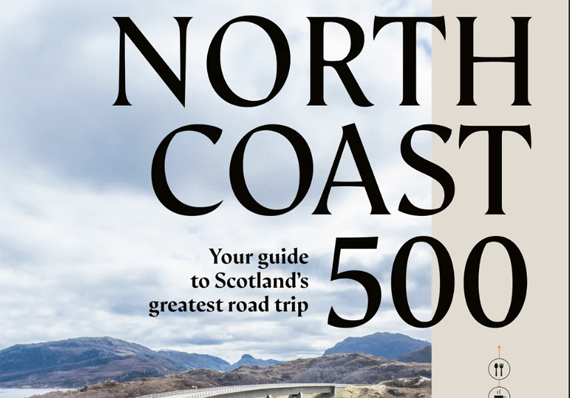
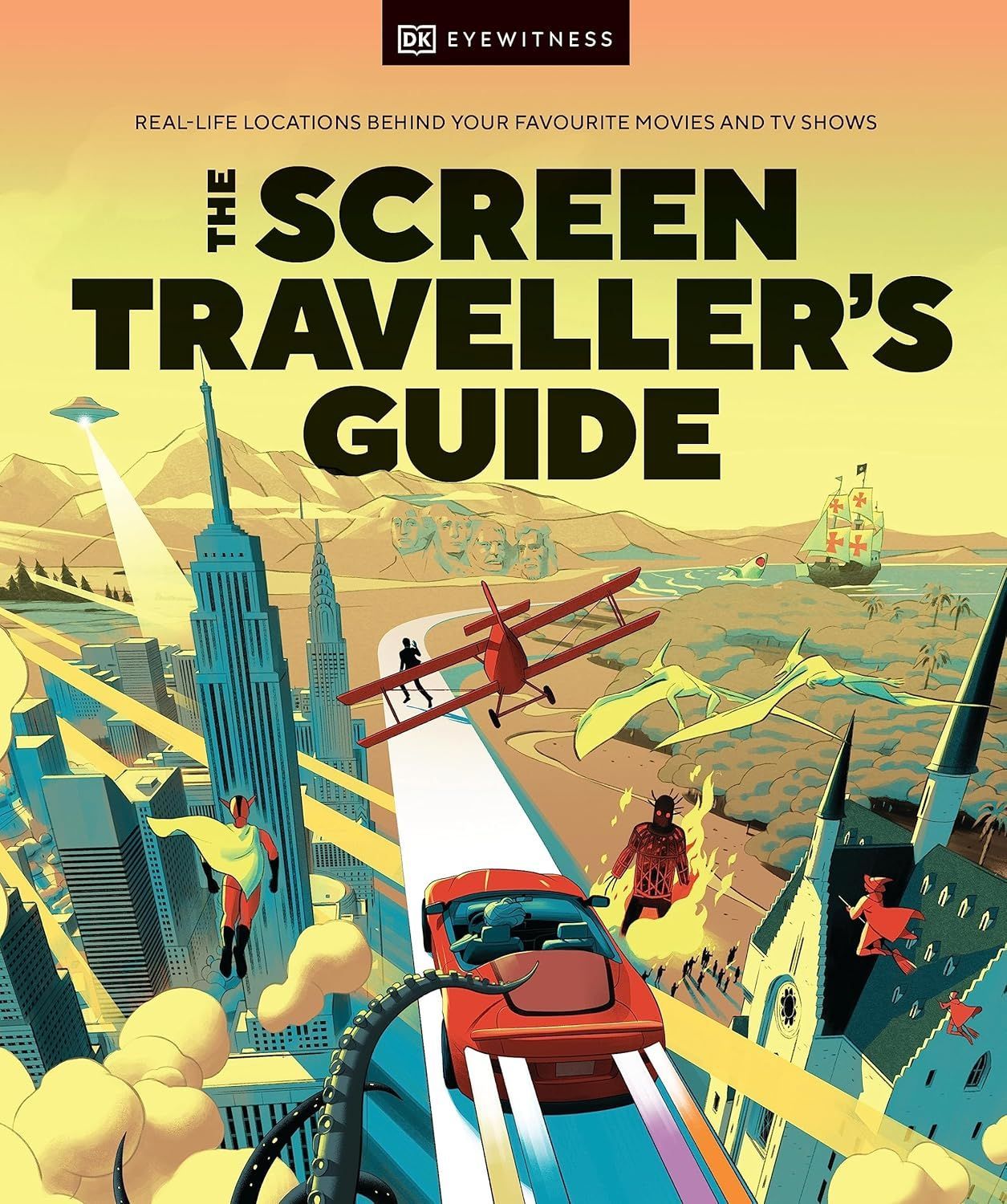
The Screen Traveller's Guide
Developing, researching and checking a new travel guide.
Between 2018 and 2019, I spent office breaks talking all things pop culture and movies with an enthusiastic editor who had an enormous passion for Star Wars, anime and gaming. She was, at the time, trying to pitch a travel guide to global geek culture.
The idea of a ‘Geek Guide’ book rolled quietly around the department for a while, until the COVID-19 pandemic halted all international travel, resulting in the Travel publishing group being shrunk dramatically. The editor was moved to the Children’s publishing department, and I suddenly found myself a freelance cartographer and designer.
As government-sanctioned lockdowns took hold around the world, it became apparent that the only travel people would experience was going to be virtually, via a screen, and as a result, the Geek Guide book began to gain an interest.
The book’s entries covering science, computer games, cosplay and LARPing were dropped, and it was moulded into a more traditional guide to film and TV locations. Although the editor who had co-developed the idea was stuck working full-time with children’s books, I was available. Having already spent time on the project, and regularly ‘set-jetted’ with my friends and family, I was commissioned to build the book’s content.
Flights, Camera and Action
I began by drawing up an extensive list of the most important and influential films and TV shows, all while paying close attention to their use of locations. James Bond, Star Wars, Indiana Jones, Marvel , the huge blockbusters, were top of the list. These are the cornerstones of everyone’s cinematic experiences, many of them embedding themselves in memories since childhood. I was adamant that the book retain the heart and passion of a geek so would focus equally on smaller films, such as Shaun of the Dead and The Princess Bride, all have huge followings, with fan bases that are fiercely loyal.
The nature of fandom meant the book had to be precise and accurate. Knowing that Wes Anderson’s The Grand Budapest Hotel was filmed in Görlitz, Germany, was not enough, we had to detail which part of the now-closed Warenhaus department store had been used for which scene in the film. This level of detail became critical when planning.
I was focused on avoiding patronising the reader. If they are passionate about a subject, they will already have some knowledge and will relish any opportunity to learn more. Explaining in the book that Back to the Future is about time travel is just dumb. People know, and having a book waste time spoon-feeding them is a frustration easily avoided.
Planning
While building and editing the enormous spreadsheet of entries, I had to take into account factors alongside their actual locations. Had an entry been included solely because it had great locations, rather than for its importance or popularity? Were the locations actually still present and/or visitable? Had the film or series been tarnished by any scandal? As a book that would be sold in other regions of the world, would the content work in other countries?
Gradually, the list of over 500 productions was whittled down to a more manageable 150.
Organising this huge collection for the book was another challenge. How do you arrange the entries in a welcoming and usable manner? An idea the editor and I had liked was to move away from the usual geographical organisation used in the DK Travel catalogue and batch the entries together in genres. There was a strong murmuring early on to create something akin to an atlas of locations, but I felt this would get boring very quickly. It would become a reference title rather than a book to pick up and get lost in.
This led to the division of the entries into genres:
- Sci-fi
- Horror
- Action
- Fantasy
- Superheroes
- Family Films
With the book’s origins centred around geek culture, its audience was most likely to be these genres’ enthusiasts. There were other possible themes/genres we could have included, such as comedy, musicals, documentaries and, perhaps the most popular genre, period drama. These obviously felt less ‘geeky’.
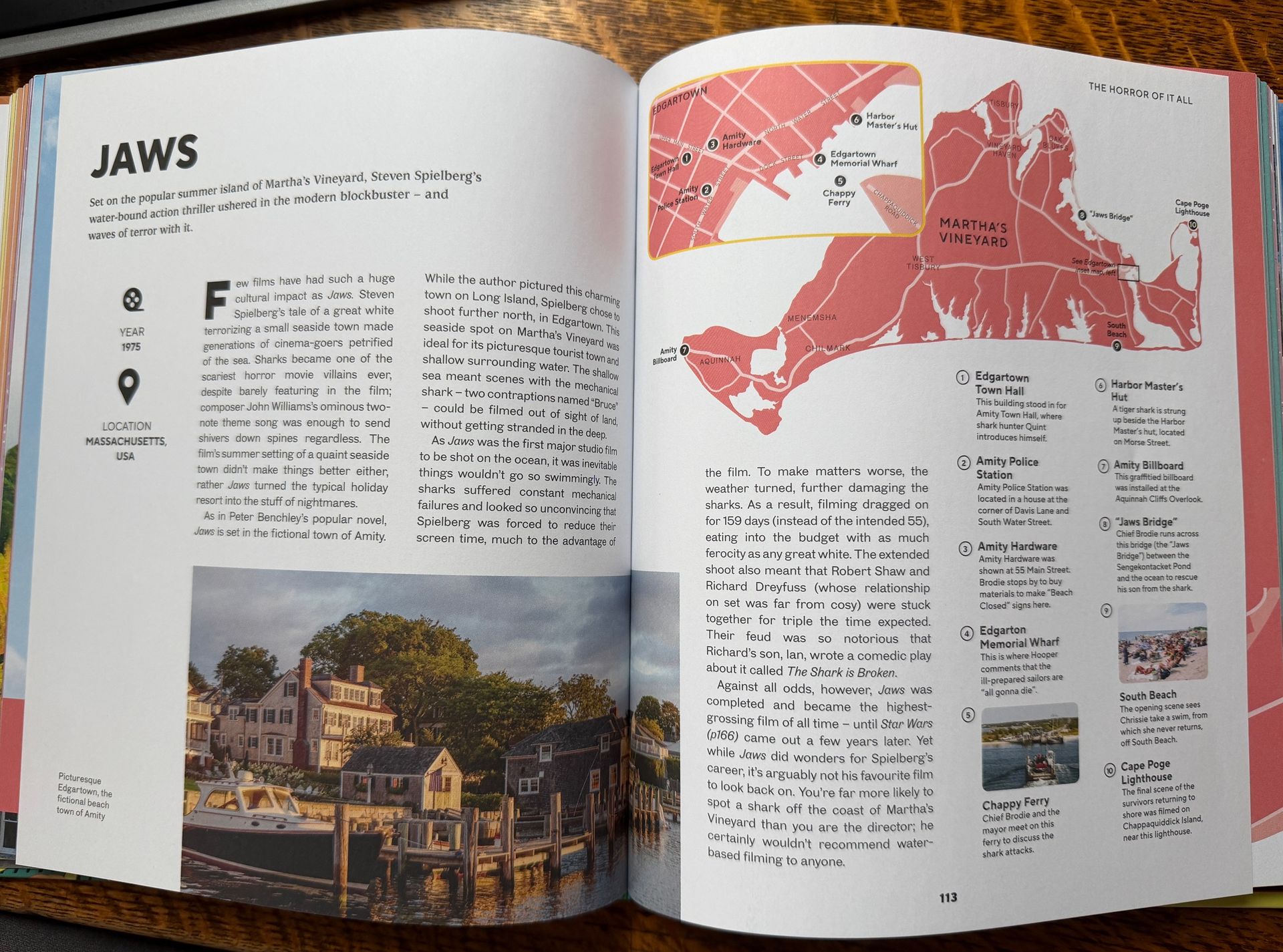
The idea of including stories of manor houses in the British countryside was discussed, but as this felt different in scope to the rest of the book, it was omitted. It was also the subject of a number of already-published titles that were selling, but not in huge numbers. A decision was made to collect a number of the stately homes in a spread early in the book.
There were versions of the spreadsheet that included musicals, but as we progressed, we were able to merge these into the family film section. This actually was the start of many discussions and arguments, as movies and shows can appear in multiple genres and deciding which was most suited became a hot debate. In some cases, it came down to which genres were less full than others.
Cross-genre examples:
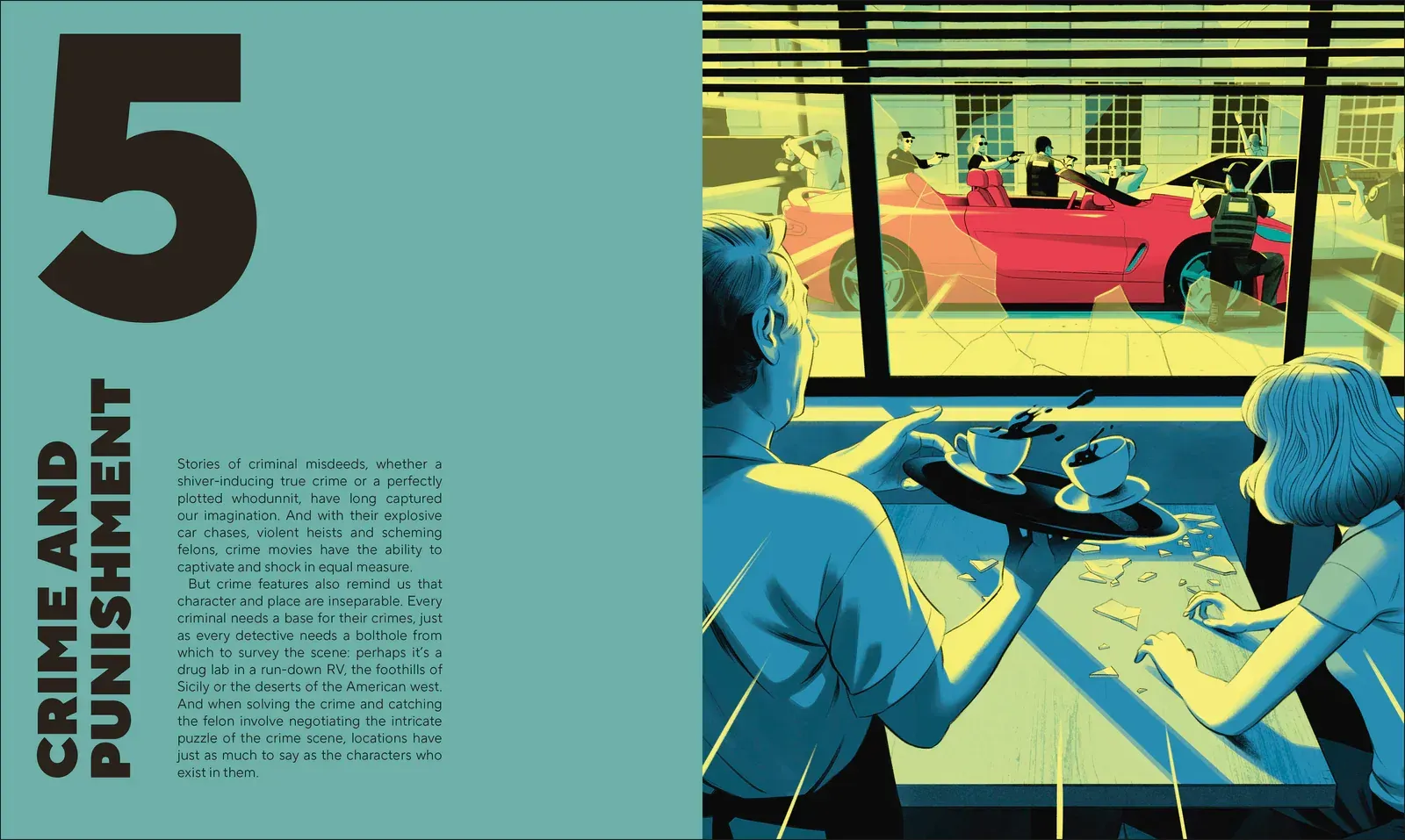
The Blues Brothers: Crime, Musical, Action
Star Wars: Sci-fi, Action, Fantasy, Family Films
Marvel: Superhero, Sci-fi, Action, Fantasy, Family Films, Horror
We needed to balance the popularity of films and shows alongside their cultural significance and also the ‘quality’ of their locations. While Star Trek has a huge and passionate following, it made relatively little use of non-studio locations, and those it did use were arguably not as iconic as those from, say, Star Wars. George Lucas’s choice of landscape became as important to the films as some of the characters: the instantly identifiable deserts of Tunisia, the palaces of Lake Como, or the forests of Gloucestershire.
When a film or TV show is truly embedded in your consciousness, you can suddenly find yourself face-to-face with a different reality when you stumble upon or plan to visit one of its locations.
Driving around Los Angeles, this happens with startling regularity. You can turn a corner and be transported instantly through memories. The most striking personal example for me was while driving to the Griffith Observatory and being confronted by the Griffith Park Tunnel — or, as I saw it instantly, the entrance to Toontown from Who Framed Roger Rabbit, a film I watched repeatedly as a kid.
It was, of course, also the tunnel from the aforementioned Back to the Future, as well as many other films and TV shows. But there is always that one instant connection: the location that, for each person, triggers a particular memory.
No Go
The book is actively recommending locations to visit so we were limited by the nature of the location. We could not include any which were still residential houses, physically dangerous, or in areas of military restriction. At least at the time of writing, things always change.
One frustrating omission we had to make from the start was the exclusion of schools and universities. So many great movies and TV-shows are set in campases but we had to ignore them. The locations from Buffy the Vampire Slayer and The Breakfast Club and others were working schools and colleges so had to go. The dedicated fan would, of course, be able to find these locations themselves, but the publishers could not release a book focusing on the sites.
Other locations, specifically private residences, can flit between welcoming and being actively hostile to those wishing to visit. The 'Breaking Bad
house' (Arizona), the
Goonies house (Astoria, Oregon),
Paddington's House (Primrose Hill, London) and others all receive a regular parade of visitors who may not be as welcomed as they would have wished.
This also was another example why it was important to include a guide to responsible set-jetting in the book, upfront and centre.
Supply
I supplied the content list to the team at DK for their approval. This needed the approval of key international co-publishers as well. If the book needs to be printed in a number of different territories to make money, they would want a book they knew they could sell.
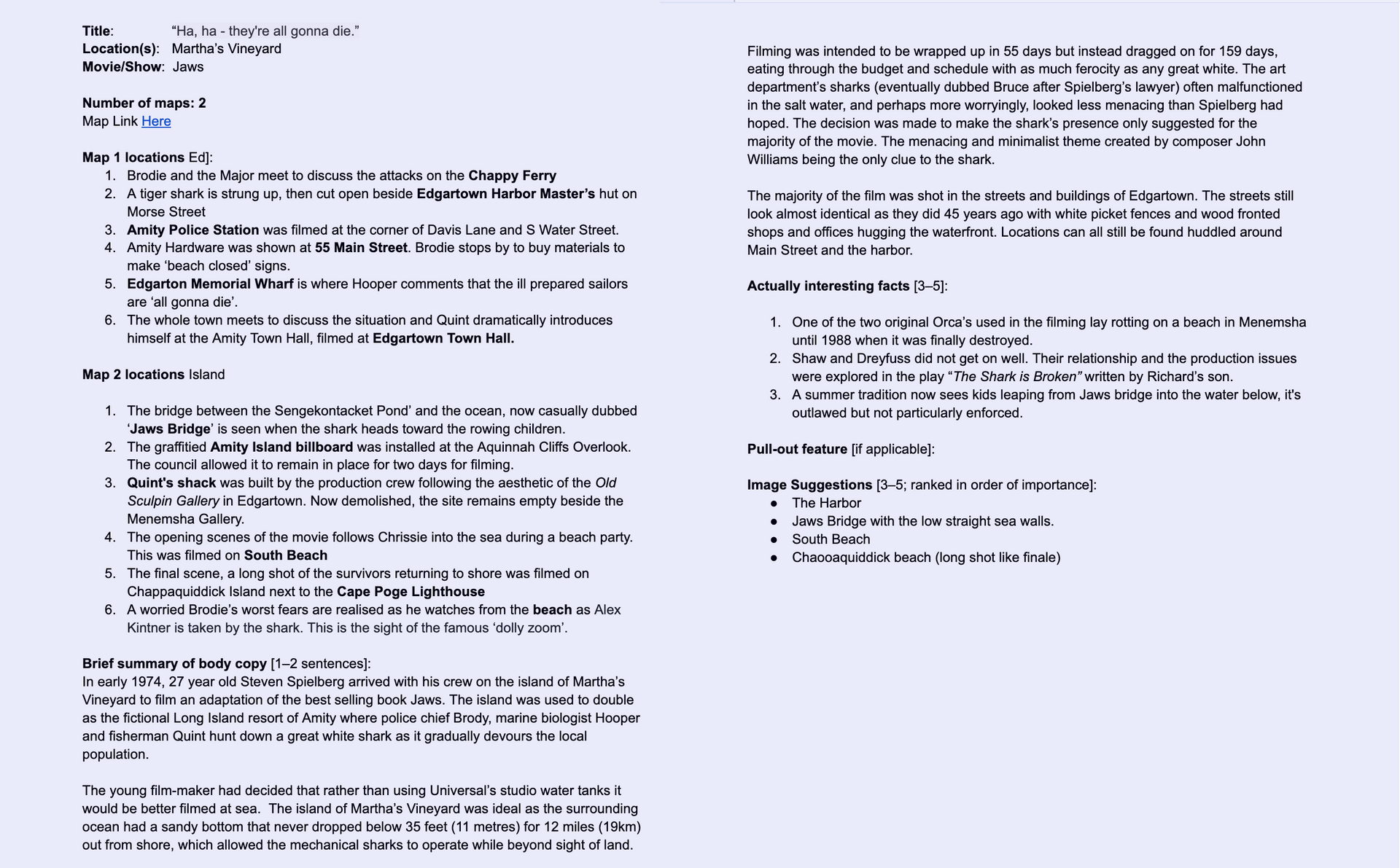
Once I had an approved list, I produced each entry as a digital briefing document with a number of facts, an exact location, suggestions for image selection and any quotes which could be used on the page. These would all be bundled together by the team and handed to specific authors who specialised in the films being discussed.
This was such a joy to research and revealed such great stories behind the scenes. There are so many great books about the production of these films, full of great stories. I will list some of my favourites at the end of this piece.
Maps
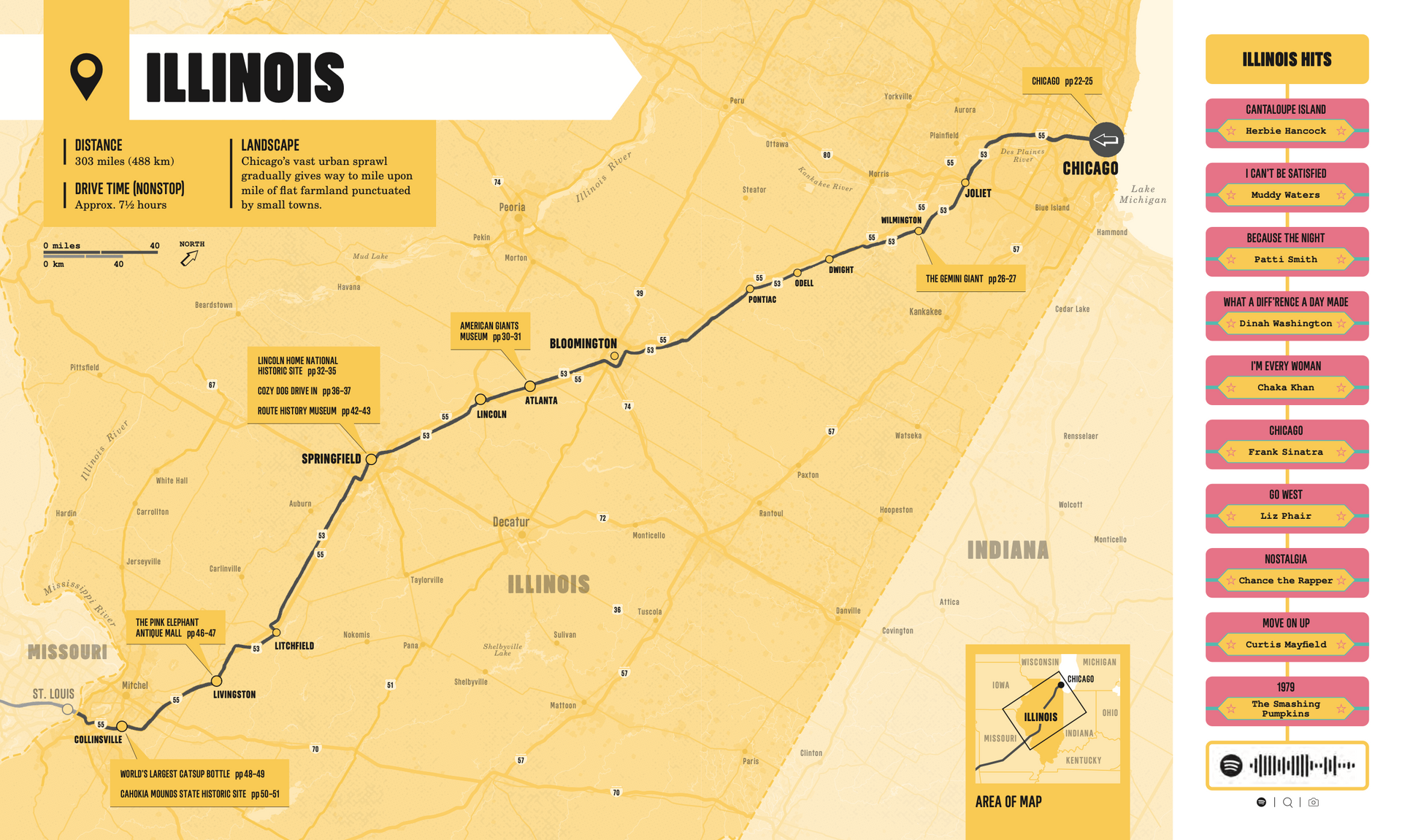
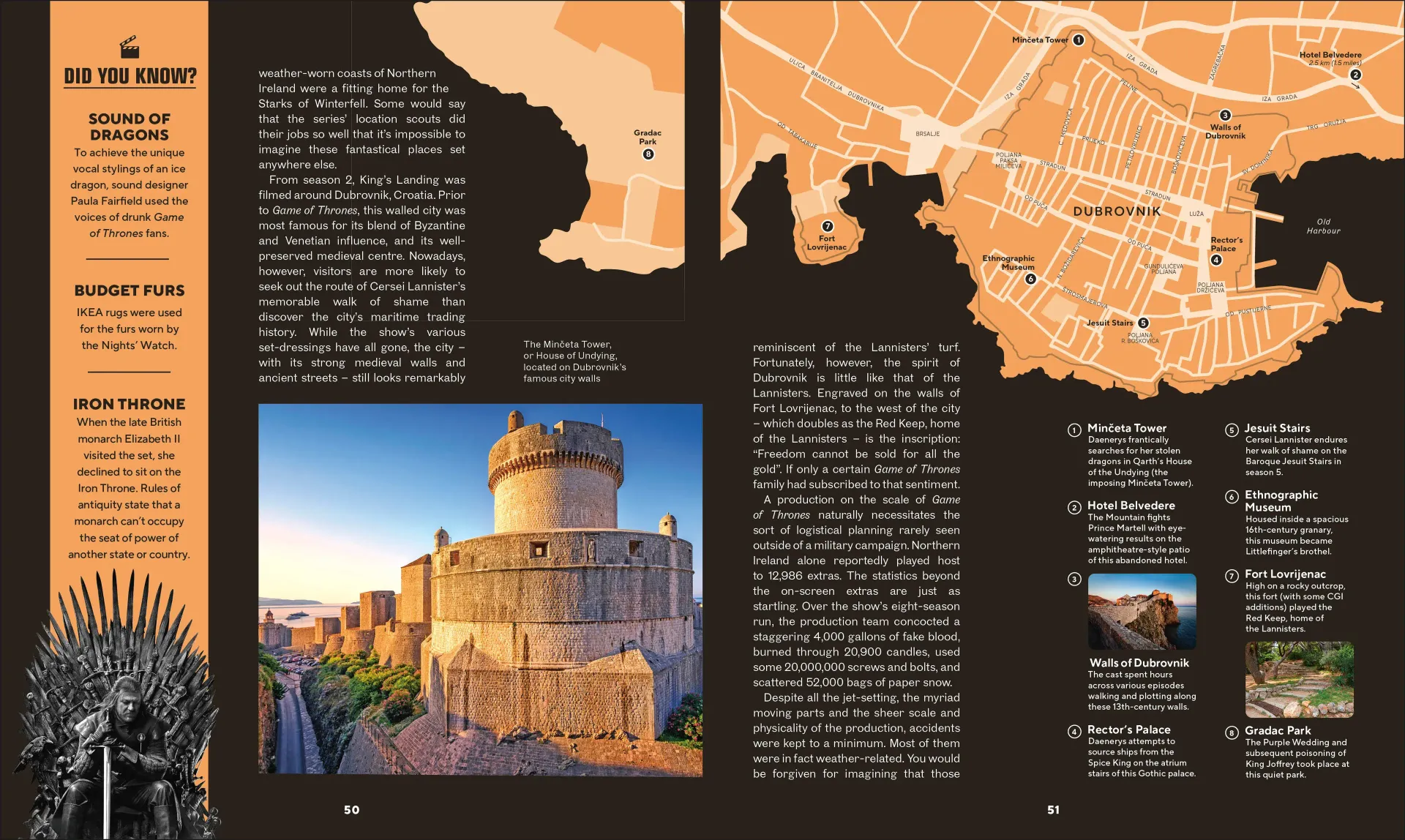
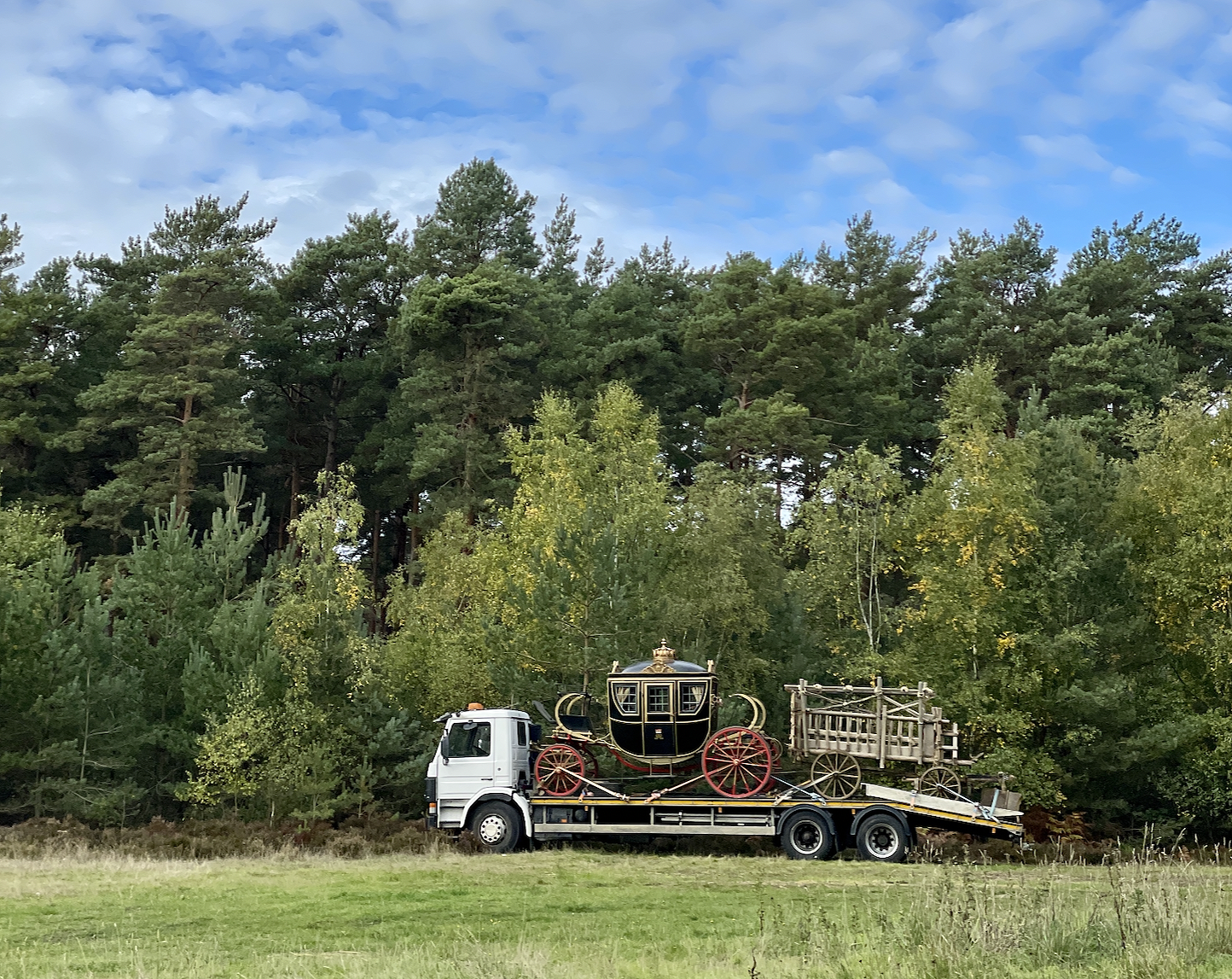
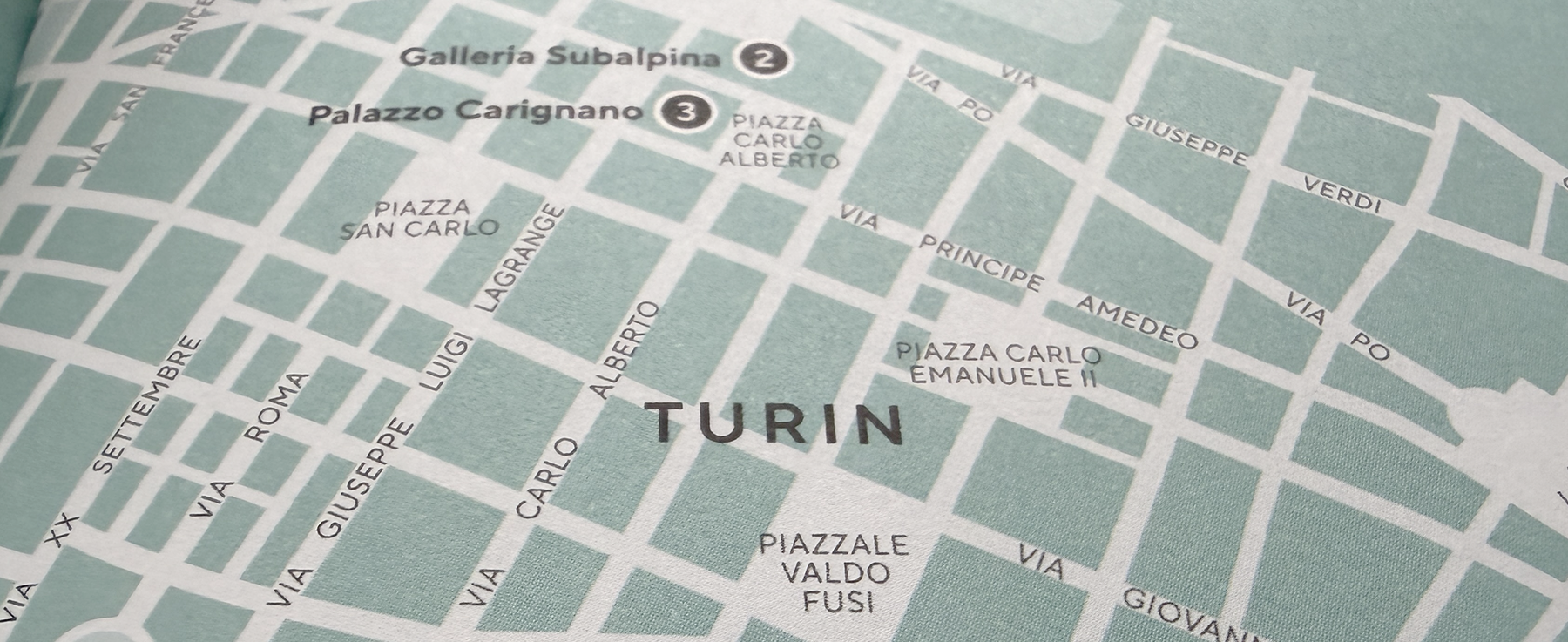
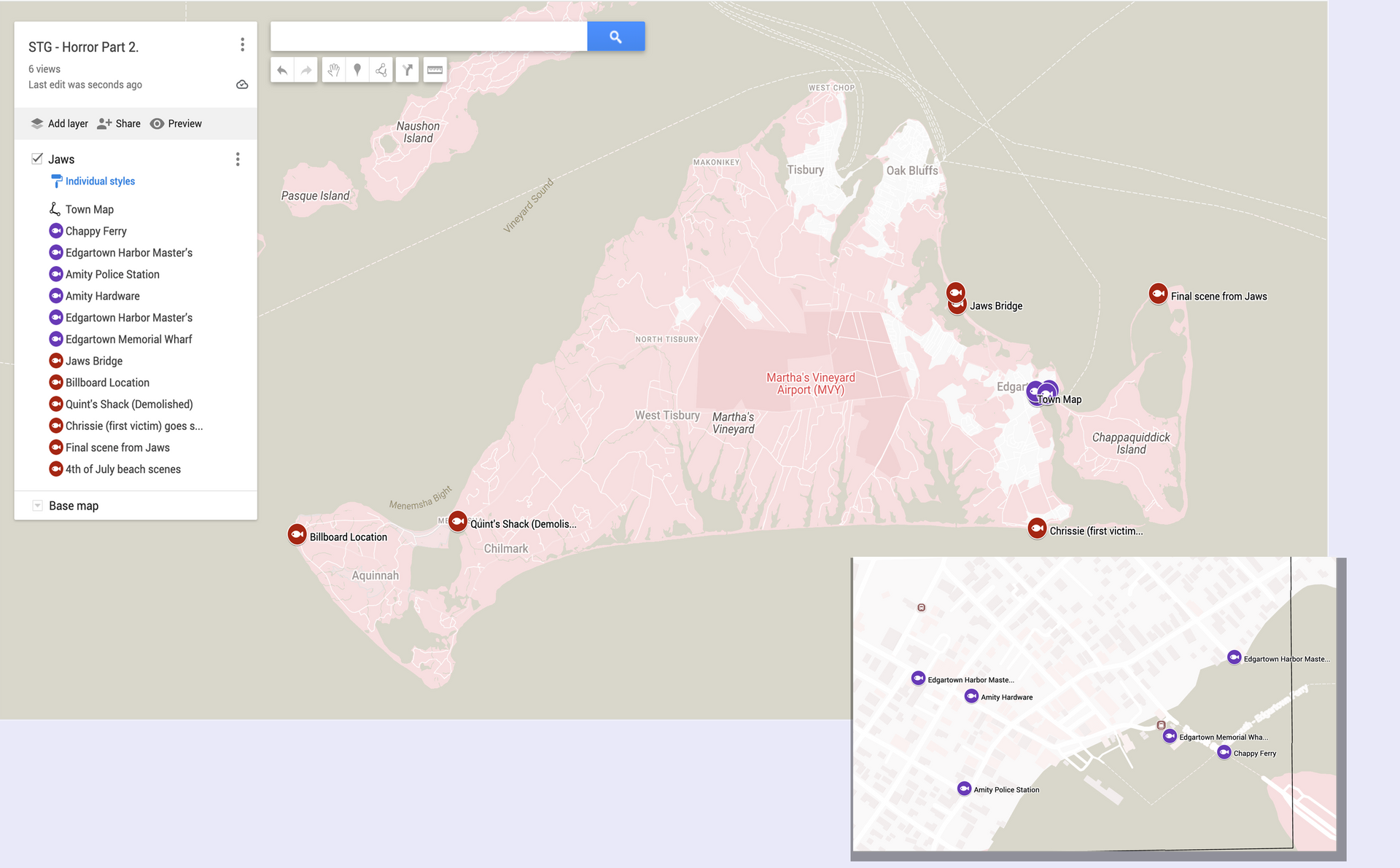
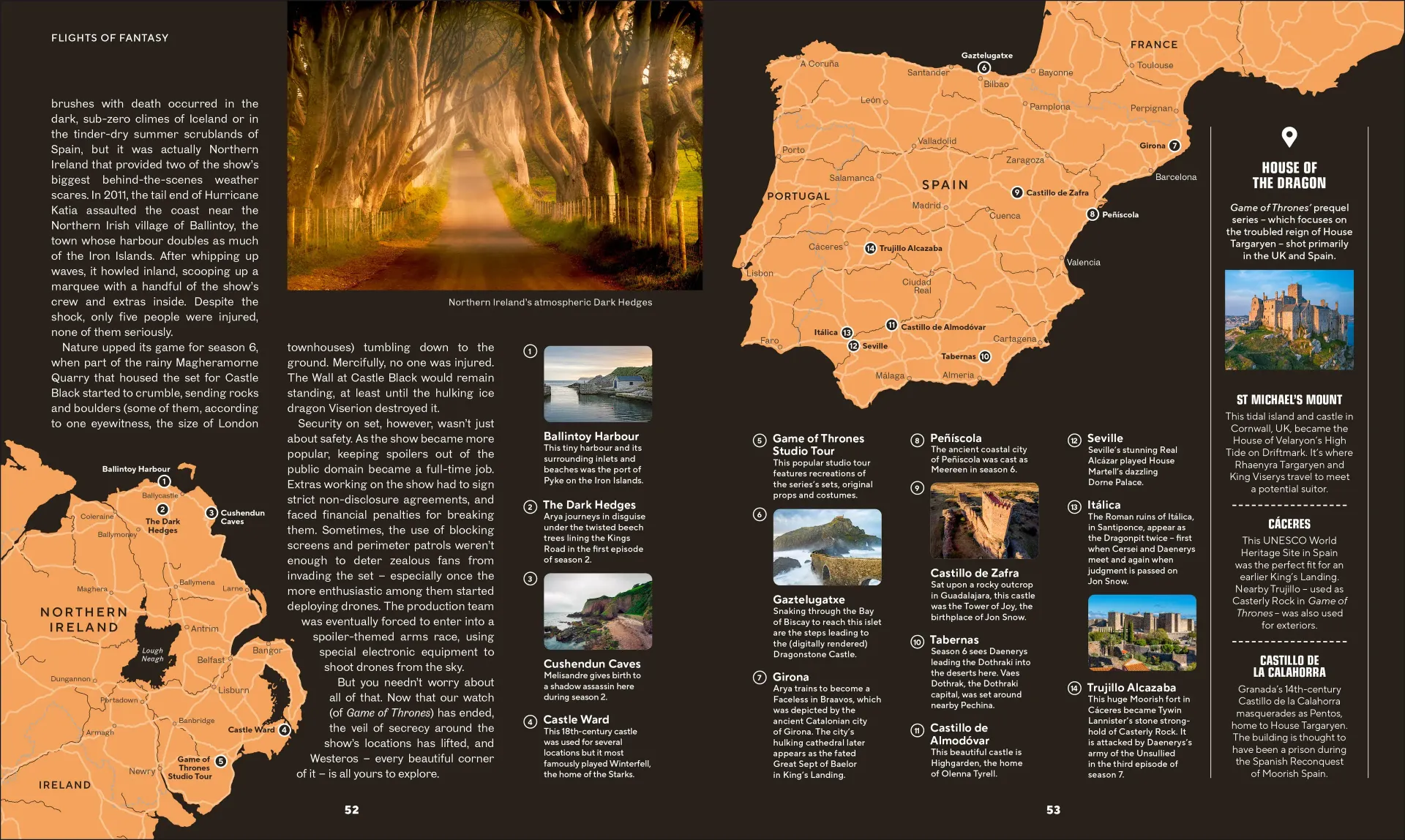
The DK cartographic team in Delhi, overseen by the cartographic manager in London, Casper Morris, took all the lat/long coordinates I supplied and built the maps. I would locate the sights at a precision which would allow varying scales to be used to draw the maps. If the designers had more space, then the map could be larger on the page and, as a result, there could be more detail shown.
The team were cartographers rather than illustrators, which meant they had the knowledge and expertise to determine what to show or omit from the maps and were able to style them as required for the title. I was not involved in the selection of the map data sources that were used, but I imagine it drew heavily on DK’s existing map data from their huge library of travel guides.
I do know that no maps are ever drawn using Google Maps data as a specific source.
One cartographic design hindrance was the requirement to use a specific colour palette for specific maps. This resulted in a couple of maps which were not as easily readable as they could have been.
...and That’s a Wrap
Once the text was written, returned and edited to fit the space available, I was able to conduct a final check of all the text, images and maps alongside the concurrent publisher’s internal checking process.
The publishers rightly required a detailed audit of where the locations were gathered from to ensure the legal paper trail was present in case of any enquiry. This was not an issue, as all sources are logged — an essential part of the cartographic process which I maintain for all projects.
The book was well received and it was great to see my work in
Forbidden Planet,
The British Film Institute and
National Theatre shops, as well as the mini-launch at the
BFI Reuben Library.
Since the book there have been changes to locations, some are now lost (the
Azure Arch in Malta) while other series have additions (the Star Wars series particularly).
My Personal Top 5 Locations
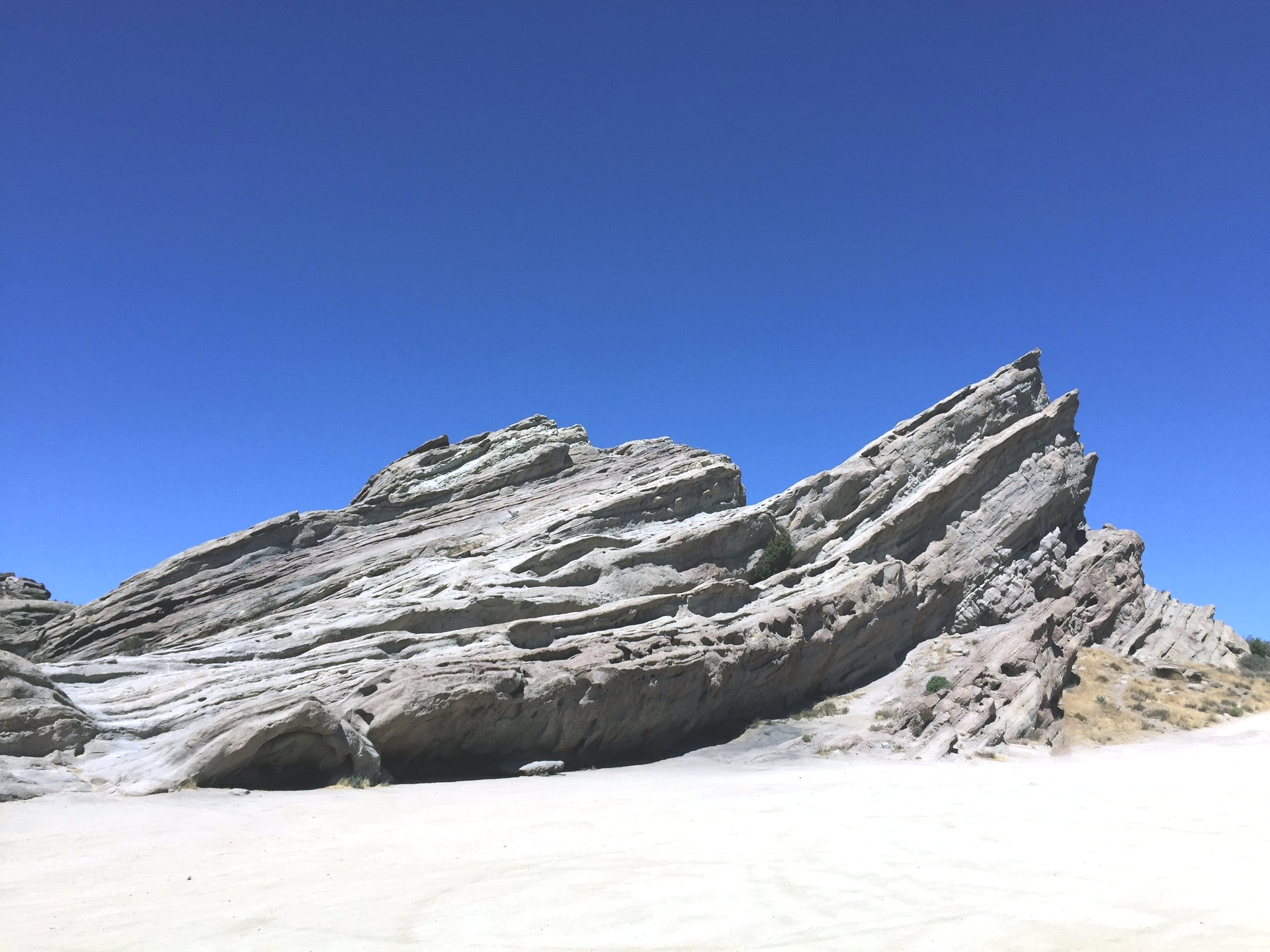
- Vasquez Rocks, Los Angeles, USA
- The lot at Warner Bros. Studios, Los Angeles, USA
- The Los Angeles River concrete channel, Los Angeles, USA
- Bourne Wood, Farnham, UK
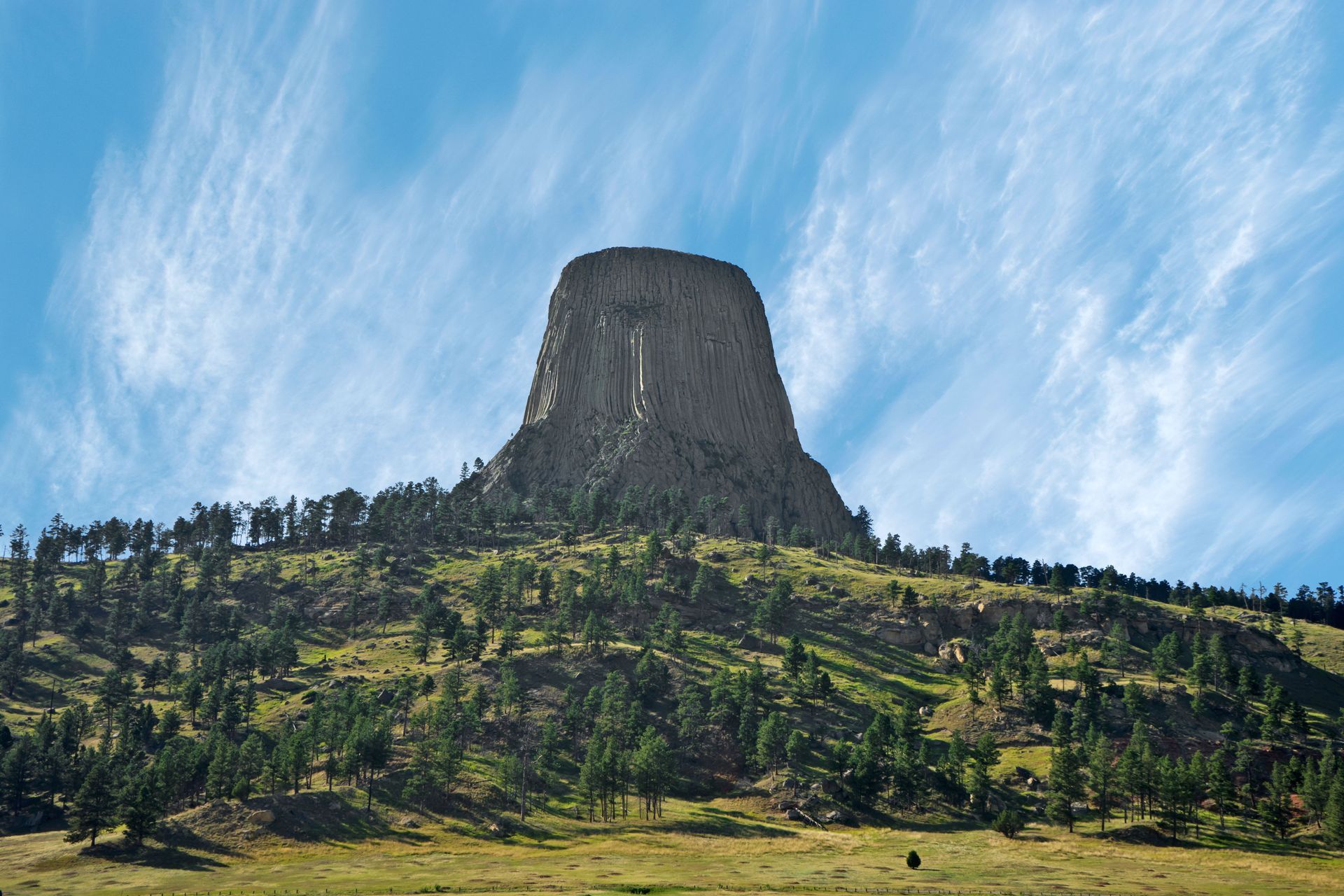
- Devils Tower National Monument, Wyoming, USA
Credits
This was another lovely book to work on, with great design and layout by Laura O’Brien and Jordan Lambley. The original book idea was largely developed by editor Robin Moul.
Picture research was undertaken by Adam Goff, and the illustrator was Señor Salme.
Lucy Sara-Kelly and Hollie Teague were responsible for taking my enthusiastic barrage of suggestions and notes and unifying them with the writer’s work.
The maps were cared for by my longtime colleague and friend
Casper Morris. This was to be his last major project, as he was to tragically pass away a few months later. There is a tribute at the start of the book. It cannot be stressed how important an individual he was to so many people, myself included.
ISBN: 0744083923
and perhaps it's time for an updated edition
Screen Travellers Guide 2: The Sequel
Further Reading
Some suggested other books that are perfect for those wanting to know more about the filming of their favourite films.
As You Wish: Inconceivable Tales from the Making of The Princess Bride by Cary Elwes
A joy filled look at the filming of the cult classic. Find out how Cary filmed multiple scenes with broken bones after a reckless adventure on Andre the Giant's ATV. [Link]
Close Encounters of the Third Kind Diary by Bob Balaban A genuinely fascinating look at how films were made in the 1970s. Bob played the Interpreter and Cartographer David Laughlin in the movie. A real warts and all diary. [Link]
Lair — A beautiful (if heavy, difficult to read and expensive expensive) book about the design of the lairs of villains. Itself resembling a book you may find in a hollowed out volcano.
[Link]